
The hidden costs of gambling exploring its impact on mental health
The hidden costs of gambling exploring its impact on mental health
Understanding the Hidden Costs of Gambling
Gambling is often portrayed as an exciting leisure activity, but beneath its glitzy surface lies a range of hidden costs that can significantly affect individuals. Beyond the money lost at the table or on a digital platform, the psychological and emotional toll of gambling is profound. For those interested in exploring this dynamic, the Ice Fishing Live promo code offers a unique way to engage in risk and reward. Individuals may initially perceive gambling as a harmless diversion; however, the risks extend far beyond financial loss, often leading to severe mental health issues.
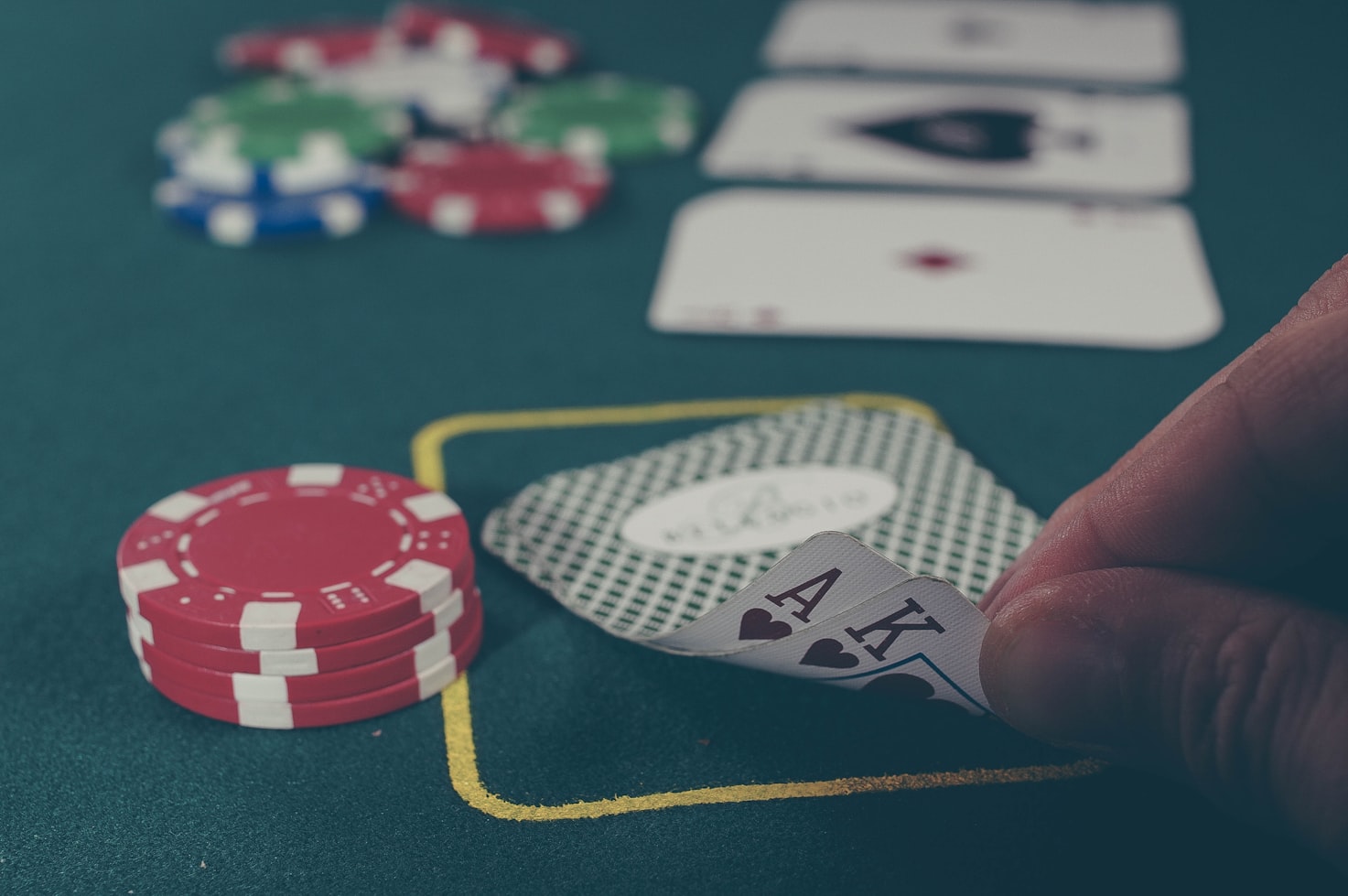
The hidden costs include increased anxiety, depression, and feelings of isolation. Gamblers may become engulfed in a cycle of chasing losses, leading to stress and strain on their mental well-being. The compulsive nature of gambling can create a distorted reality where the individual becomes fixated on the next win, disregarding its potential consequences on their health and relationships.
Moreover, the pressure to maintain a gambling habit can result in significant lifestyle changes. People may withdraw from social interactions or neglect responsibilities, believing that their next big win is just around the corner. This compulsion not only worsens their mental health but also strains relationships with family and friends, further contributing to feelings of despair and isolation.
The Impact of Online Gambling on Mental Health
Online gambling has surged in popularity, offering convenience and access to a variety of games at the click of a button. While this provides an appealing experience for many, it also amplifies the risk of developing gambling-related mental health issues. The anonymity and accessibility of online platforms can lead individuals to gamble more frequently and in larger amounts, often without a clear understanding of their spending. Many find themselves torn between the thrill of online gambling and the struggles it brings to mental health.
The immersive nature of online gambling can create a disconnection from reality, making it easy for individuals to lose track of time and money. As they chase the thrill of winning, they may overlook the adverse effects on their mental health. Many online gamblers report feelings of anxiety and depression, which can spiral out of control as they grapple with their losses and the pressures of continued play.
Additionally, the lack of physical interaction can result in a sense of loneliness. Gamblers may find themselves isolated from friends and family as they retreat into the virtual world of gambling. This social withdrawal not only exacerbates mental health issues but also creates a feedback loop where gambling serves as an escape from their worsening emotional state.
Land-Based Gambling and Its Unique Challenges
While online gambling presents its own set of challenges, land-based gambling venues introduce unique stressors. The atmosphere of casinos is designed to be thrilling, but the sensory overload can lead to heightened emotions, especially for those prone to anxiety. The immediate availability of games and the presence of fellow gamblers can create an environment where individuals feel pressured to keep playing.
Moreover, the social aspects of land-based gambling can complicate mental health outcomes. In public settings, individuals may feel judged or compelled to maintain a façade of confidence, even as they struggle internally. This performance can mask underlying issues, preventing individuals from seeking help for their gambling addiction or mental health concerns.
The financial stakes at land-based establishments can also lead to impulsive behaviors. The atmosphere often encourages a “just one more round” mentality, which can quickly spiral into financial ruin. This compulsion, coupled with the anxiety of being in a high-pressure environment, can lead to serious mental health consequences, including panic attacks and severe depressive episodes.
Recognizing Signs of Gambling Addiction
Identifying gambling addiction can be challenging, particularly because it often develops gradually. Individuals may initially engage in gambling recreationally, but signs of addiction become evident as they prioritize gambling over other aspects of life. Common signs include an obsessive focus on gambling, neglect of responsibilities, and frequent mood swings tied to gambling outcomes.
Family and friends often play a crucial role in recognizing these signs. It can be painful to watch a loved one struggle with gambling addiction, but open communication is essential. Those affected by a loved one’s gambling can help create a support system that encourages seeking professional assistance, offering emotional support, and promoting healthier lifestyle choices.
Additionally, self-awareness is key. Individuals who suspect they may be developing an unhealthy relationship with gambling should reflect on their behaviors and seek guidance when necessary. Whether through therapy or support groups, recognizing the potential for addiction is the first step toward reclaiming mental health and well-being.
Seeking Help and Resources for Recovery
Recovery from gambling addiction is possible, and there are numerous resources available for individuals seeking help. Professional therapy, particularly cognitive-behavioral therapy, has shown effective results in helping individuals understand and manage their compulsive behaviors. Support groups, such as Gamblers Anonymous, provide a community where individuals can share experiences and receive encouragement from others who understand their struggles.
Many organizations offer hotlines and online resources aimed at providing immediate help for those in crisis. Education on the risks of gambling and strategies for managing urges is crucial for long-term recovery. By fostering a supportive environment, friends and family can aid in the healing process, ensuring that the individual feels understood and supported in their journey.
Moreover, adopting healthier coping mechanisms can greatly enhance recovery. Engaging in physical activities, pursuing hobbies, and building social connections outside of gambling can significantly improve mental health. Creating a balanced lifestyle not only aids in recovery but also reduces the likelihood of relapse, providing a stable foundation for future well-being.

Conclusion: Understanding the Impact of Gambling on Mental Health
The hidden costs of gambling are multifaceted, deeply affecting mental health and overall quality of life. Recognizing the risks associated with both online and land-based gambling is vital in fostering awareness and encouraging responsible gaming practices. Acknowledging the signs of addiction and being proactive in seeking help are essential steps towards recovery and mental well-being.
As communities become more aware of the implications of gambling, it’s crucial to promote open conversations about mental health and the resources available for those in need. By fostering a supportive environment and providing the necessary tools for recovery, we can work towards reducing the stigma associated with gambling addiction and its impact on mental health. Together, we can support those affected and pave the way for healthier lifestyles.
Leave a comment